Beyond Probiotics: Advanced Gut Microbiome Modulation for Healthspan Extension
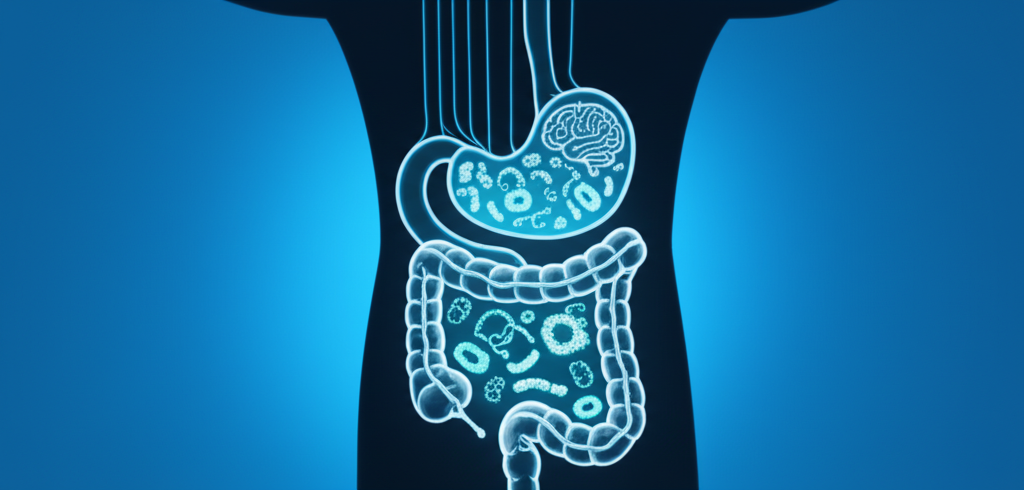
The global population is aging at an unprecedented rate, with the number of individuals aged 60 and over projected to double by 2050, reaching 2.1 billion [4]. This demographic shift places immense pressure on healthcare systems, moving the clinical focus from simply extending lifespan to enhancing healthspan—the period of life spent in good health, free from chronic disease and disability [1]. Emerging research has identified the gut microbiome as a central, modifiable hub in the biology of aging, influencing everything from metabolic function to immune resilience [6]. While public awareness has centered on probiotics, the clinical reality is far more nuanced, demanding a sophisticated approach to microbiome modulation for tangible anti-aging outcomes [4].
Recent landmark studies demonstrate that the gut microbial composition of healthy older adults, particularly centenarians, is distinct, characterized by a high diversity and enrichment of specific beneficial taxa that support anti-inflammatory pathways [1]. This unique microbial signature is strongly correlated with improved health markers and survival, suggesting that the microbiome is not merely a bystander but an active participant in the aging process [1], [6]. The microbiome's influence extends to mediating the efficacy of established and emerging anti-aging interventions, including metformin and senolytics [3], [9]. Understanding these complex interactions is paramount for clinicians aiming to integrate evidence-based, microbiome-targeted strategies into longevity medicine and patient care [2]. This topic page provides a comprehensive overview of the mechanisms linking the gut microbiome to healthspan and details advanced clinical strategies for its therapeutic modulation.
The gut microbiome's influence on aging is not a single pathway but a complex interplay of interconnected biological systems. A core mechanism involves the maintenance of gut barrier integrity [5]. As individuals age, a decline in beneficial microbes like Akkermansia muciniphila and butyrate-producers can compromise the intestinal mucosal layer and tighten junction integrity [5], [11]. This leads to increased intestinal permeability, or "leaky gut," allowing microbial components like lipopolysaccharide (LPS) to translocate into systemic circulation. This translocation triggers chronic, low-grade systemic inflammation, a hallmark of aging known as inflammaging, which is a primary driver of most age-related chronic diseases [4], [6].
Beyond structural integrity, the microbiome is a critical metabolic organ that produces a vast array of bioactive compounds with systemic effects. The most well-studied of these are short-chain fatty acids (SCFAs), particularly butyrate, propionate, and acetate, produced through the fermentation of dietary fiber [12].
- Butyrate: Serves as the primary energy source for colonocytes, reinforcing the gut barrier, and acts as a histone deacetylase (HDAC) inhibitor, exerting potent anti-inflammatory and epigenetic effects throughout the body [4].
- Propionate and Acetate: Travel to the liver and peripheral tissues, where they regulate gluconeogenesis, lipogenesis, and satiety signaling, contributing to metabolic health [6], [12].
- Secondary Bile Acids: Gut microbes modify primary bile acids into secondary forms like deoxycholic acid (DCA) and lithocholic acid (LCA), which act as signaling molecules regulating metabolism and inflammation via receptors like FXR and TGR5 [4].
The gut microbiome also directly shapes both innate and adaptive immunity. A diverse and balanced microbiota helps educate the immune system, promoting tolerance and preventing excessive inflammatory responses [5]. Age-related dysbiosis can lead to a pro-inflammatory immune phenotype, characterized by increased production of cytokines like TNF-α and IL-6 [4]. Furthermore, the gut-brain axis represents a critical frontier in longevity research. Microbial metabolites can influence neuroinflammation and the production of neurotransmitters, with studies linking specific microbial profiles to cognitive function and risk for neurodegenerative diseases like Alzheimer's [8]. A decline in butyrate-producing bacteria, for instance, has been associated with compromised blood-brain barrier integrity and increased neuroinflammation [8].
The efficacy of prominent anti-aging interventions is increasingly understood to be dependent on the gut microbiome, which can metabolize, activate, or potentiate these compounds [3], [9]. This paradigm shifts the view of the microbiome from a therapeutic target to an essential partner in longevity medicine. For instance, metformin, the first drug being tested in a large-scale human trial for its anti-aging effects (the TAME trial), has been shown to exert many of its benefits through microbial modulation [2], [3]. Studies reveal that metformin increases the abundance of SCFA-producing bacteria and the mucin-degrading bacterium Akkermansia muciniphila, which contributes to improved glycemic control and gut barrier function [3], [11].
Similarly, the action of senolytics—drugs that selectively clear senescent (or "zombie") cells—is also modulated by gut bacteria. Many senolytic compounds, such as the flavonoid quercetin, are poorly bioavailable in their original form. Gut microbes can metabolize these compounds into more bioactive forms, significantly enhancing their systemic absorption and therapeutic effect [7], [9]. This suggests that an individual's response to senolytic therapy could be predicted or enhanced by their microbiome composition [9]. The table below compares how different interventions are mediated by the gut microbiome.
| Intervention | Primary Mechanism | Microbiome-Mediated Effect | Key Microbial Players |
|---|---|---|---|
| Metformin | AMPK activation, reduced hepatic gluconeogenesis [2] | Increased SCFA production, enhanced gut barrier function [3] | Akkermansia muciniphila, Bifidobacterium [3] |
| Senolytics (e.g., Quercetin) | Induces apoptosis in senescent cells [7] | Metabolizes flavonoids into more bioavailable and potent forms [9] | Clostridium, Eubacterium species [9] |
| Caloric Restriction | Reduced mTOR signaling, increased autophagy [4] | Shifts toward a "lean" microbial profile, increased production of β-hydroxybutyrate [12] | Christensenellaceae, Akkermansia [4], [12] |
These findings have profound clinical implications. The variability in patient response to interventions like metformin may be partially explained by baseline differences in their gut microbiota [3]. This opens the door for synergistic approaches, where clinicians might first optimize a patient's microbiome using targeted prebiotics or diet before initiating an anti-aging therapy to maximize its efficacy and minimize side effects [4], [6]. This represents a significant step towards personalized longevity medicine.
To move beyond generic probiotic recommendations, clinicians require advanced diagnostic tools that provide a functional and comprehensive view of the gut ecosystem. Standard 16S rRNA gene sequencing, while useful for identifying bacterial taxa, often fails to capture the full picture of microbial activity [6]. The new clinical standard is shifting towards shotgun metagenomic sequencing, which provides a more powerful, high-resolution view of the microbiome [1], [4].
- Shotgun Metagenomic Sequencing: This technique sequences all genomic DNA in a sample, allowing for species-level identification of bacteria, archaea, viruses, and fungi. Crucially, it also reveals the functional potential of the microbiome by identifying genes associated with specific metabolic pathways, such as butyrate production, bile acid metabolism, or the degradation of specific fibers [1]. This allows clinicians to understand not just who is there, but what they are capable of doing.
- Metabolomics: This technology directly measures the metabolic products of the microbiome from a stool, urine, or blood sample. It quantifies key molecules like SCFAs (butyrate, propionate), trimethylamine N-oxide (TMAO), secondary bile acids, and urolithins. Measuring these metabolites provides a direct readout of the microbiome's functional output and its systemic impact, offering a more clinically actionable metric than compositional data alone [8]. For example, low fecal butyrate levels can directly inform a therapeutic strategy focused on increasing fiber intake or supplementing with specific prebiotics [12].
- Integrating Multi-Omics Data: The future of microbiome assessment lies in integrating data from metagenomics, metabolomics, and host genetics. This multi-omics approach can identify personalized biomarkers for healthy aging and predict an individual's response to specific interventions [1], [4]. Key biomarkers associated with a "longevity-promoting" microbiome include high microbial diversity, enrichment of the Christensenellaceae family, and high levels of Akkermansia muciniphila and Faecalibacterium prausnitzii [1], [11]. Clinicians can use serial testing to monitor the impact of interventions and titrate therapies for optimal results [6].
With advanced diagnostics, clinicians can deploy targeted strategies that go far beyond generic, over-the-counter probiotics. These advanced modulatory interventions are designed to reshape the gut ecosystem with greater precision and efficacy [4], [6].
- Precision Prebiotics: Unlike broad-spectrum fiber, precision prebiotics are specific substrates designed to selectively fuel the growth of beneficial bacteria. Examples include fructooligosaccharides (FOS) and galactooligosaccharides (GOS), which promote Bifidobacterium growth, and human milk oligosaccharides (HMOs), which are emerging as powerful modulators even in adults [12]. The choice of prebiotic can be tailored based on a patient's existing microbial deficiencies identified through testing.
- Postbiotics and Parabiotics: This category includes the direct administration of beneficial microbial products or inactivated microbes. Butyrate can be supplemented directly as sodium or calcium butyrate to support gut barrier function. Urolithin A, a metabolite produced by gut bacteria from dietary ellagitannins (found in pomegranates and walnuts), is now available as a supplement and has been shown in clinical trials to improve mitochondrial function and muscle strength [4]. Parabiotics, such as heat-killed Akkermansia muciniphila, can deliver many of the benefits of the live organism (like improved gut barrier function) with a superior safety profile, particularly for immunocompromised patients [11].
- Synbiotics: This approach involves the rational combination of a probiotic strain with a prebiotic substrate that selectively supports its growth and activity within the gut. A well-designed synbiotic can significantly improve the survival and engraftment of the probiotic strain, leading to more reliable clinical outcomes than probiotics alone [6].
- Fecal Microbiota Transplantation (FMT): While currently FDA-approved only for recurrent Clostridioides difficile infection, FMT represents the most powerful form of microbiome modulation and is being actively researched for age-related conditions [10]. Studies involving transplanting the microbiome from young mice to old mice have demonstrated improvements in physical and cognitive function. While human trials are in early stages, FMT from healthy, rigorously screened donors may one day be a therapeutic option for reversing age-related dysbiosis and inflammaging [4], [10].
Integrating advanced microbiome strategies into clinical practice requires a systematic approach to patient selection and management. Not every patient seeking anti-aging advice is an immediate candidate for shotgun metagenomic testing or advanced supplements. The ideal candidates are typically those with existing comorbidities linked to dysbiosis or those who are highly motivated to engage in proactive, personalized health optimization [4], [6].
- Ideal Patient Profile: Patients with metabolic syndrome, type 2 diabetes, mild cognitive impairment, or a strong family history of age-related inflammatory diseases are excellent candidates. These conditions have a well-established link to gut dysbiosis, making microbiome-targeted interventions a high-yield strategy [3], [8]. Additionally, patients who have failed to respond to standard lifestyle interventions or who are considering anti-aging pharmaceuticals like metformin may benefit from a baseline microbiome assessment to optimize treatment response [2], [3].
- Initial Clinical Assessment: The initial workup should include a detailed dietary history (e.g., using a food frequency questionnaire), a review of medications (especially antibiotics, PPIs, and metformin), and standard blood work (hs-CRP, HbA1c, lipid panel). This initial screen can help identify patients who would benefit most from advanced testing versus those who should begin with foundational dietary changes, such as adopting a Mediterranean diet rich in fiber and polyphenols [12].
- Setting Realistic Expectations: It is crucial to counsel patients that microbiome modulation is not a quick fix but a long-term strategy. Changes in microbial composition and function can take weeks to months to manifest and require sustained adherence to dietary and supplemental protocols [6]. Clinicians should emphasize that the goal is to improve biological resilience and healthspan, rather than promising a reversal of chronological age. Monitoring progress through both symptom tracking and objective biomarkers (e.g., inflammatory markers, metabolic parameters) is key to maintaining patient engagement and demonstrating therapeutic value [4].
- Gut microbiome pattern reflects healthy ageing and predicts survival in humans. Nat Metab. 2021.
- Metformin as a Tool to Target Aging. Cell Metab. 2016.
- Metformin Is Associated With Higher Relative Abundance of Mucin-Degrading Akkermansia muciniphila and Several Short-Chain Fatty Acid-Producing Microbiota in the Gut. Diabetes Care. 2017.
- Gut microbiota: a player in aging and a target for anti-aging intervention. Ageing Res Rev. 2017.
- Gut microbiota as a key modulator of gut barrier integrity and intestinal inflammation. Front Immunol. 2021.
- The gut microbiota in health and disease. N Engl J Med. 2021.
- Senolytic drugs: from discovery to translation. J Intern Med. 2020.
- The Microbiota-Gut-Brain Axis. Physiol Rev. 2019.
- The gut microbiota metabolically primes the systemic innate immune response to senolytics. Cell Metab. 2023.
- The use of faecal microbiota transplant as treatment for recurrent or refractory Clostridium difficile infection and other potential indications. Gut. 2018.
- Supplementation with Akkermansia muciniphila in overweight and obese human volunteers: a proof-of-concept study. Nat Med. 2019.
- Diet-microbiota interactions as moderators of human metabolism. Nature. 2016.
Last Updated: 10/15/2026 | Professional Healthcare Education